
TL;DR:
- Most restaurants struggle with retaining diners, as over 77% visit only once, highlighting the need for effective follow-up systems. Building a guest database through simple data capture and tracking key retention metrics enables targeted marketing to encourage second visits and long-term loyalty. Success requires layered strategies including personalized outreach, evolving loyalty programs, and proactive rebooking of private events, rather than relying on quick fixes or single tactics.
Most restaurant owners pour their energy into getting new customers through the door. But here’s the uncomfortable reality: industry retention data shows restaurant customer retention consistently falls below cross-industry averages, and a staggering share of diners simply never come back after their first visit. That means every dollar you spend on acquisition has a short shelf life unless you have a real retention system working behind the scenes. This guide walks you through practical, layered strategies to fix that, covering everything from data capture and loyalty to private event rebooking.
Table of Contents
- Start with guest data capture and retention metrics
- Focus on the crucial second visit
- Rethink loyalty programs: from discounts to exclusivity and engagement
- Retention strategies for private dining and events
- The surprising truth: retention is a multi-layered playbook, avoid silver bullets
- Boost your restaurant’s retention with proven marketing solutions
- Frequently asked questions
Key Takeaways
| Point | Details |
|---|---|
| Data-driven foundation | Effective retention starts with capturing guest information and monitoring your key metrics. |
| Second visit priority | Converting first-time guests into returning customers offers the biggest retention lift. |
| Modern loyalty focus | Shift loyalty programs toward exclusivity and value, not just discounts. |
| Private event retention | Proactive follow-up and incentives boost repeat bookings for group events. |
| Layered strategy wins | The best results come from blending data, outreach, loyalty, and relationship-building tactics. |
Start with guest data capture and retention metrics
With the major challenge of low repeat visits established, let’s look at the essential first step: building a strong data and measurement foundation.
You cannot improve what you do not measure. That sounds obvious, but most restaurants track sales and covers while completely ignoring the metrics that reveal whether guests are actually coming back. A practical retention system starts with capturing guest contact info early, then measuring baseline retention metrics monthly. Without that foundation, every other tactic you try is a shot in the dark.
Where to capture guest data:
- 📶 WiFi login at your restaurant, using an email or phone opt-in gate
- 🖥️ POS system prompting for email or phone at checkout
- 📱 Online ordering platform collecting contact info at every order
- 📅 Reservation system capturing names, emails, and visit history
- 🎉 Private event inquiry forms gathering detailed group host info
Each of these touchpoints is a chance to build your guest database. Use simple opt-in methods that do not create friction. A quick checkbox on your online order form or a 10-second WiFi login takes almost no effort from the guest but gives you a direct line back to them.
Key restaurant marketing KPIs to track monthly:
| Metric | What it measures | Why it matters |
|---|---|---|
| Overall retention rate | % of guests who return within 90 days | Your core health indicator |
| First-visit return rate | % of first-timers who come back | Highest-leverage conversion point |
| Guest visit frequency | Average visits per guest per quarter | Measures loyalty depth |
| Customer lifetime value | Total revenue per guest over time | Guides marketing spend decisions |
| Churn rate | % of guests who stop returning | Early warning signal |
Establish your baseline numbers in month one. Then track movement month over month. Even small improvements in first-visit return rate have an outsized effect on overall revenue, especially when you’re also working on attracting new restaurant customers through the front door at the same time.
Pro Tip: Use your POS or email marketing platform to automate monthly retention reports. Most modern systems can pull this data automatically. If you spend 30 minutes setting it up once, you get the report on autopilot every month.
Focus on the crucial second visit
Once you have a system for tracking retention, the next priority is turning that one-time visitor into a returning customer.
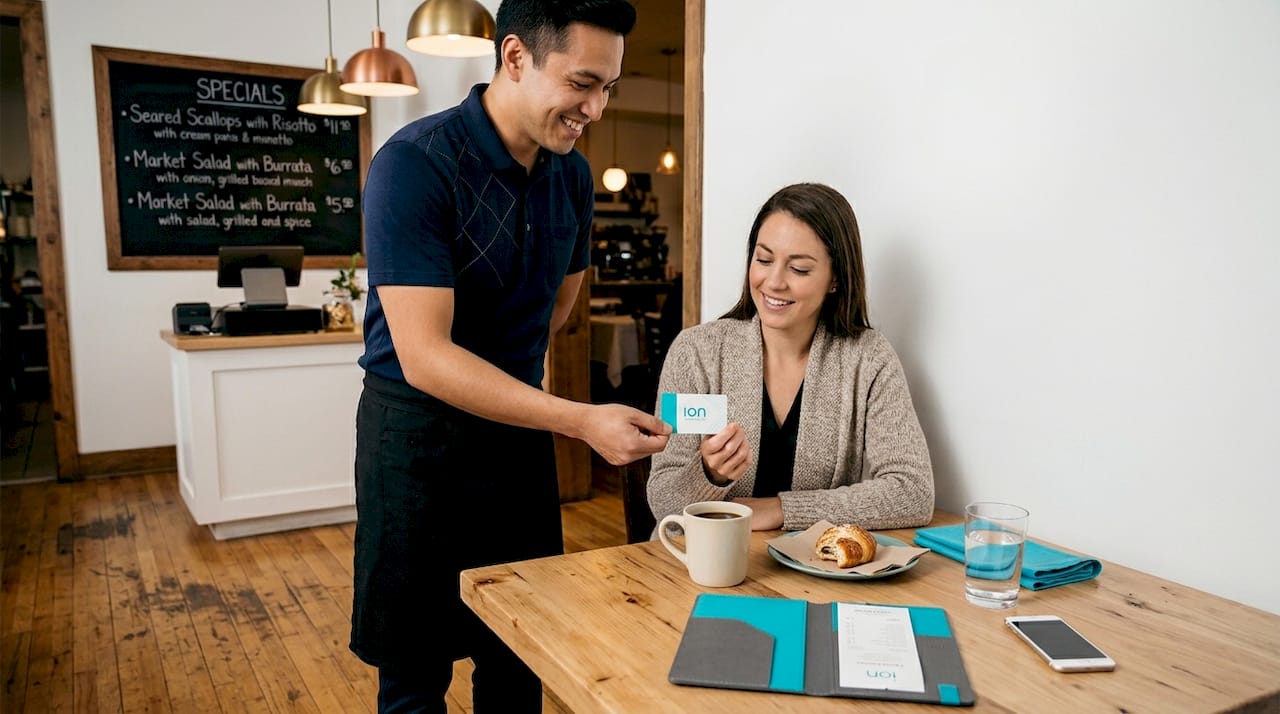
Here is the number that should shock you: 77.4% of guests visit only once. That means nearly 8 out of every 10 people who walk through your door and have a perfectly fine experience never return. Not because they disliked it. Often because nobody followed up, nobody gave them a reason to come back, and life got in the way.
The second visit is your highest leverage moment in the entire retention lifecycle. Research shows that once a guest comes back a second time, they are significantly more likely to become a regular. So the goal is simple: remove every possible barrier between visit one and visit two.
How to operationalize the second-visit push:
- ✉️ Send a 48-hour follow-up message after a first visit, thanking the guest by name and including a compelling reason to return (a time-limited offer, an upcoming event, or a new menu highlight)
- 🎯 Personalize the offer based on what they ordered or how they booked, using POS data to make it feel relevant, not generic
- 📲 Include a one-click action in every follow-up, whether that’s making a reservation, ordering online, or RSVPing to an upcoming event
- 🔁 Automate the workflow so every new first-time guest is enrolled in a follow-up sequence without your team doing it manually
- 📊 Track the conversion rate from first-visit follow-up to second visit, and keep refining your message until the number moves
Sample automated follow-up workflow:
- Guest visits for the first time → POS or reservation system flags them as “new”
- 48 hours later → automated email or SMS thank-you goes out with a personalized offer
- 7 days later → if no return visit, a second message goes out with a different hook (event, new menu item, or social proof)
- 30 days later → if still no return, they move into a win-back sequence
Launching follow-up campaigns like this does not require a massive tech stack. Many email platforms and POS systems have basic automation built in. The key is to start, even simply, rather than waiting for the perfect setup.
Pro Tip: Segment your guest list into first-timers and regulars from day one. Your messaging to someone who has never returned should look very different from what you send to someone who visits twice a month. First-timers need urgency and a clear next step. Regulars need appreciation and exclusivity. Treating them the same is a missed opportunity. Strong restaurant brand awareness also reinforces why guests should come back even before you send that first message.
Rethink loyalty programs: from discounts to exclusivity and engagement
After harnessing the power of segmented follow-up, the next layer is loyalty, but modern programs now require more nuance.
Loyalty programs are everywhere. But here is what the data says: Chipotle’s loyalty campaign drove nearly 25% growth in daily enrollments after the launch of Chipotle Rewards, proving the upside is real. Yet at the same time, loyalty programs alone are not sufficient as a standalone retention solution. The industry is learning this the hard way.
“Loyalty is necessary but not sufficient.” — Olo CEO
The programs that actually work in 2026 have moved away from pure discount mechanics and toward exclusivity, experience, and genuine value. Loyalty strategy is shifting toward simpler, less discount-driven programs that reward engagement in multiple forms, not just spend.
Discount-heavy vs. exclusivity-based loyalty:
| Program type | How it works | Guest perception | Risk |
|---|---|---|---|
| Discount-heavy | Points for every dollar, redeemable for % off | Transactional, price-sensitive | Trains guests to wait for deals |
| Exclusivity-based | Priority access, early reservations, members-only events | Valued, recognized, special | Higher setup effort |
| Engagement-based | Rewards for reviews, referrals, social sharing | Interactive, community-driven | Requires active management |
| Hybrid model | Spend rewards plus experiential perks | Balanced and versatile | Complexity to manage |
Practical ways to boost loyalty program sign-ups:
- 📋 QR codes on table cards and menus that link directly to your sign-up page
- 📣 Staff prompts at checkout with a simple, consistent script
- 🖼️ Menu panel callouts highlighting the most compelling program benefit (not just “earn points”)
- 📲 Post-order enrollment prompts in your online ordering flow
The best loyalty programs are part of a broader social media engagement strategy. Your restaurant social campaigns should amplify what your loyalty program offers, creating social proof and driving new sign-ups organically. Loyalty plus content plus community is where the real retention magic happens.
Retention strategies for private dining and events
A powerful way to boost retention beyond day-to-day dining is to operationalize follow-up and rebooking with private group clients.
Private events are a goldmine for repeat revenue. A corporate client who books their team dinner with you once could become an annual or even quarterly repeat. Birthday parties, bridal showers, rehearsal dinners, and milestone celebrations often recur on predictable timelines. But most restaurants leave this money on the table because they have no post-event follow-up system in place.
Private dining event retention requires two things: post-event communication that makes the host feel valued, and proactive rebooking outreach well ahead of peak seasons. Prompt post-event communication can increase repeat group bookings by 15 to 20%. That is a significant revenue lift just from sending the right message at the right time.
Step-by-step event retention checklist:
- Within 24 hours of the event: Send a personalized thank-you message to the host, mentioning specific details from their event (the menu they chose, the occasion celebrated)
- Within 72 hours: Send a feedback request with a short survey, asking what went well and what could improve
- 2 weeks later: Follow up with a recap of any photos taken at the event, if your team captures them
- 30 days later: Send a “We’d love to host you again” message with early rebooking incentives
- 60 to 90 days before the same date next year: Proactive outreach reminding the host that their annual event date is coming up and inviting them to book priority space
Private event retention metrics to track:
| Metric | Target | Action if below target |
|---|---|---|
| Post-event follow-up rate | 100% of bookings | Automate the first message via CRM |
| Repeat group booking rate | 25% or higher | Add incentives to rebooking outreach |
| Average time to rebook | Under 90 days | Send earlier proactive outreach |
| Feedback response rate | 40% or higher | Shorten survey, offer a small incentive |
Check out our breakdown of event marketing for private groups to see how social and digital marketing can drive new event inquiries while your follow-up system locks in repeat bookings.
Pro Tip: Create a “priority host” tier for group clients who have booked with you before. Give them first access to your most in-demand dates, exclusive menu previews, and a dedicated point of contact. This kind of white-glove treatment costs very little but builds fierce loyalty among your highest-value clients.
The surprising truth: retention is a multi-layered playbook, avoid silver bullets
You’ve seen the main plays. Here’s what real-world experience reveals about what actually moves the needle long term.
Every few months, a new “solution” gets hot in the restaurant industry. A new loyalty app, a new email platform, a new social tool. And we watch operators jump from one to the next, hoping the next thing will finally crack retention. It rarely does.
The reason is simple. Retention is not a single lever. Operational and lifecycle segmentation matters deeply: the highest-impact operators focus on converting first-time diners into second-visit diners (the single highest-leverage moment), then protecting their regulars with at-risk detection and timely re-engagement. That requires systems, not tools. It requires a culture where every team member understands that getting someone to come back is just as important as getting them in the first time.
The restaurants we see winning at retention are not necessarily the ones with the fanciest loyalty app or the biggest email list. They are the ones that have a clear, repeatable process for every stage of the guest lifecycle. First visit. Second visit. Regular. At-risk. Lapsed. Each stage gets a different message, a different touchpoint, a different incentive. That segmentation is what separates shallow retention wins from lasting growth.
What we push back on hardest is the idea that any one tactic is “the answer.” Discounts alone train guests to wait for deals. Loyalty apps without follow-up just collect signups that never convert. Social media without a data capture strategy just builds followers who never come through the door. The playbook has to be layered. Data capture feeds your follow-up. Follow-up drives the second visit. Loyalty deepens frequency. Events create high-value repeat relationships. Social amplifies all of it. Pull all the levers together, and retention compounds over time.
Boost your restaurant’s retention with proven marketing solutions
Turning these strategies into daily operating practice takes time, consistency, and the right support. That’s exactly where we come in.
At ION Hospitality, we help restaurants build the kind of marketing systems that keep guests coming back and private event calendars full, all without charging a single commission. From social media advertising that fills your dining room to engagement strategies that turn followers into regulars, we handle it all for you. We also specialize in event marketing strategies that drive private group inquiries and help you rebook them season after season. Ready to stop leaving repeat business on the table? Let’s talk about what a done-for-you retention marketing system looks like for your restaurant.
Frequently asked questions
What is a good customer retention rate for restaurants?
A solid benchmark is around 55%, though most restaurants fall below this, and 77.4% of diners visit just once before churning, making the bar both clear and challenging to hit.
How can I measure if my restaurant retention strategies are working?
Track monthly KPIs like first-visit return rate, guest frequency, and overall retention rate. Consistent monthly tracking of these metrics will show you whether your strategies are moving the needle or need adjustment.
Are loyalty programs still effective for restaurants in 2026?
Yes, but only as part of a broader guest engagement strategy. Loyalty alone is not sufficient and programs relying purely on discounts tend to attract deal-seekers rather than building genuine loyalty.
What is the best way to increase repeat bookings for private events?
Personalized post-event thank-you messages, CRM tracking of group hosts, and proactive rebooking outreach are the most effective approaches. Post-event follow-up combined with early rebooking incentives is what separates restaurants with packed private dining calendars from everyone else.
Recommended
- Smart strategies to attract new restaurant customers in 2026
- The Free Retargeting Ads Playbook – ION Hospitality – Restaurant Marketing & Advertising Agency, New York, NY
- Top restaurant marketing trends to attract more customers
- Event marketing strategies that boost restaurant revenue 30%
- Why offer exclusive discounts? Boost loyalty and savings

Add a Comment