
TL;DR:
- Private events can increase restaurant revenue by 30 to 40% through targeted marketing.
- Fast response times and high-quality content significantly improve event inquiry conversions.
- Year-round segmented outreach to corporate and consumer clients ensures consistent bookings and brand visibility.
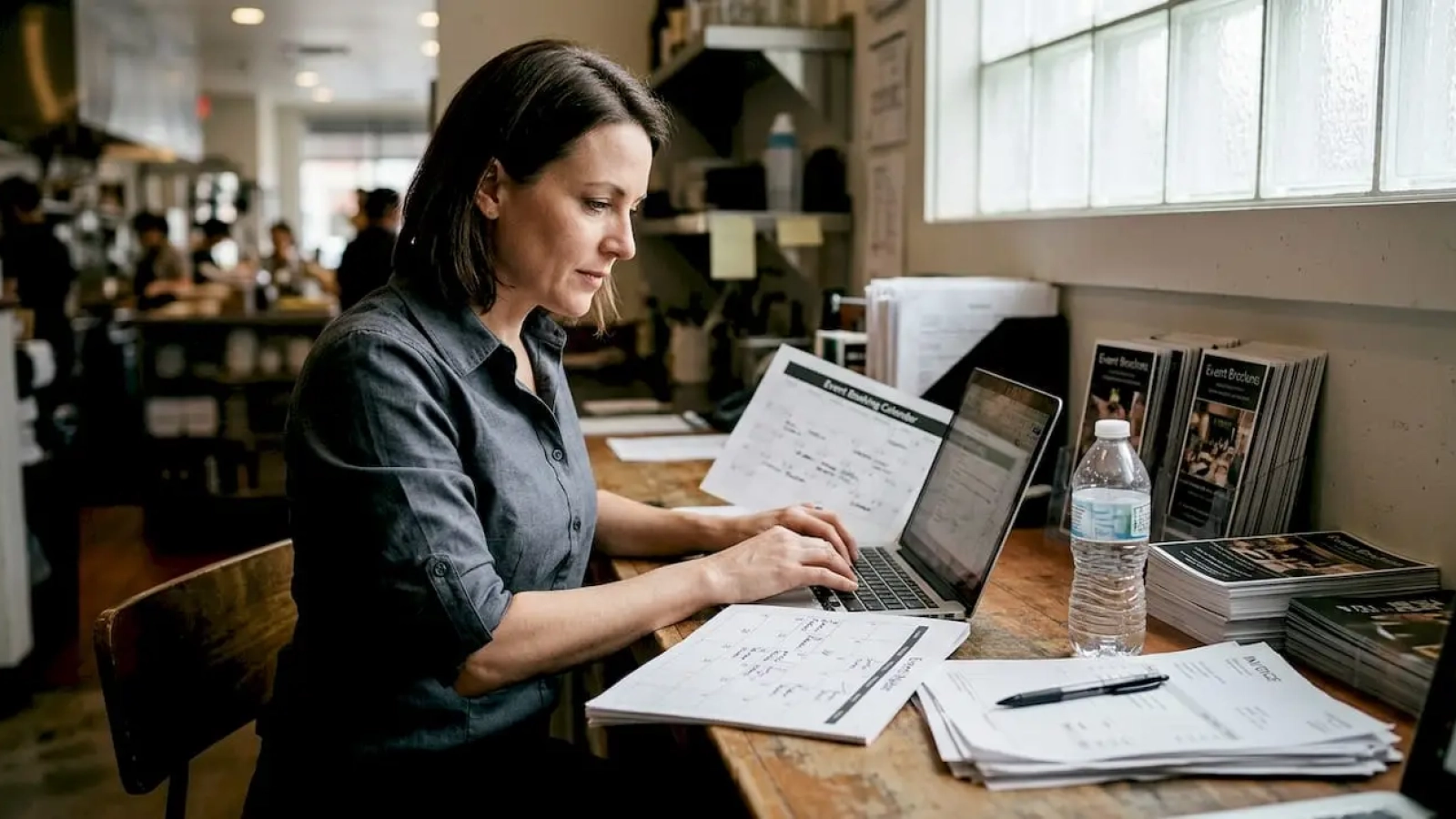
Private events are one of the most underused revenue streams in the restaurant industry. While most owners focus on walk-in traffic and online orders, private events can boost revenue by 30 to 40% through higher margins, predictable bookings, and upsells. The difference between restaurants that consistently fill their event space and those that scramble for last-minute bookings comes down to one thing: intentional event marketing. This guide breaks down the exact strategies you need to attract more inquiries, convert them into confirmed bookings, and keep your private dining calendar full year-round.
Table of Contents
- Define your event marketing criteria for maximum bookings
- Win inquiries with standout event content and fast response
- Target the right audiences year-round for consistent bookings
- Combine organic, paid, and influencer strategies for fast, lasting growth
- Why most event marketing misses the mark and how to fix it
- Take your event marketing to the next level
- Frequently asked questions
Key Takeaways
| Point | Details |
|---|---|
| Private events drive revenue | Restaurants can boost profits by 30-40% with targeted event marketing. |
| Dynamic content wins inquiries | Video showcases and fast inquiry replies generate more private event bookings. |
| Segmented outreach matters | Year-round targeted marketing secures consistent event bookings. |
| Multi-channel strategies work | Combining organic, paid, and influencer efforts leads to both fast and sustainable growth. |
| Quick follow-up is underrated | Most missed bookings happen when restaurants don’t reply to inquiries fast. |
Define your event marketing criteria for maximum bookings
Before you spend a dollar on ads or post a single reel, you need to know which events are actually worth chasing. Not all private events deliver the same value. Corporate dinners, wedding rehearsals, milestone birthdays, and team celebrations each have different margins, booking timelines, and guest counts. Your job is to identify the highest-margin event types for your space and double down on attracting those.
Here’s where most restaurants get it wrong: they treat all events the same. A birthday party with a $300 tab is not the same as a corporate buyout at $4,000. Knowing your numbers tells you where to invest your marketing energy.
Key criteria to prioritize:
- 🎯 Identify your highest-margin event types (corporate buyouts, rehearsal dinners, milestone celebrations)
- 📸 Make your event space impossible to miss online with dedicated landing pages and photo galleries
- ⚡ Respond to every inquiry within 48 hours to avoid losing warm leads to competitors
- 💳 Require a deposit of 25 to 50% to confirm bookings and protect your revenue
- 🔄 Show your space in multiple setups so prospects can picture their event in your venue
Your event space needs a dedicated online presence. A single photo buried in your gallery page is not enough. Make your event space obvious with dedicated pages, photos in multiple setups, and fast inquiry response. Prospects are comparing three to five venues at once, and the first one to respond with a polished presentation usually wins.
Deposits are non-negotiable. They filter out tire-kickers and give you predictable cash flow. A 25 to 50% deposit at booking is standard practice across high-performing venues.
Pro Tip: Photograph your space in at least three different configurations, such as banquet style, cocktail reception, and intimate dining. Different setups attract different event types and dramatically boost restaurant event revenue by reaching a wider audience of potential clients.
Win inquiries with standout event content and fast response
With your criteria set, let’s look concretely at how dynamic content and response speed drive more bookings.
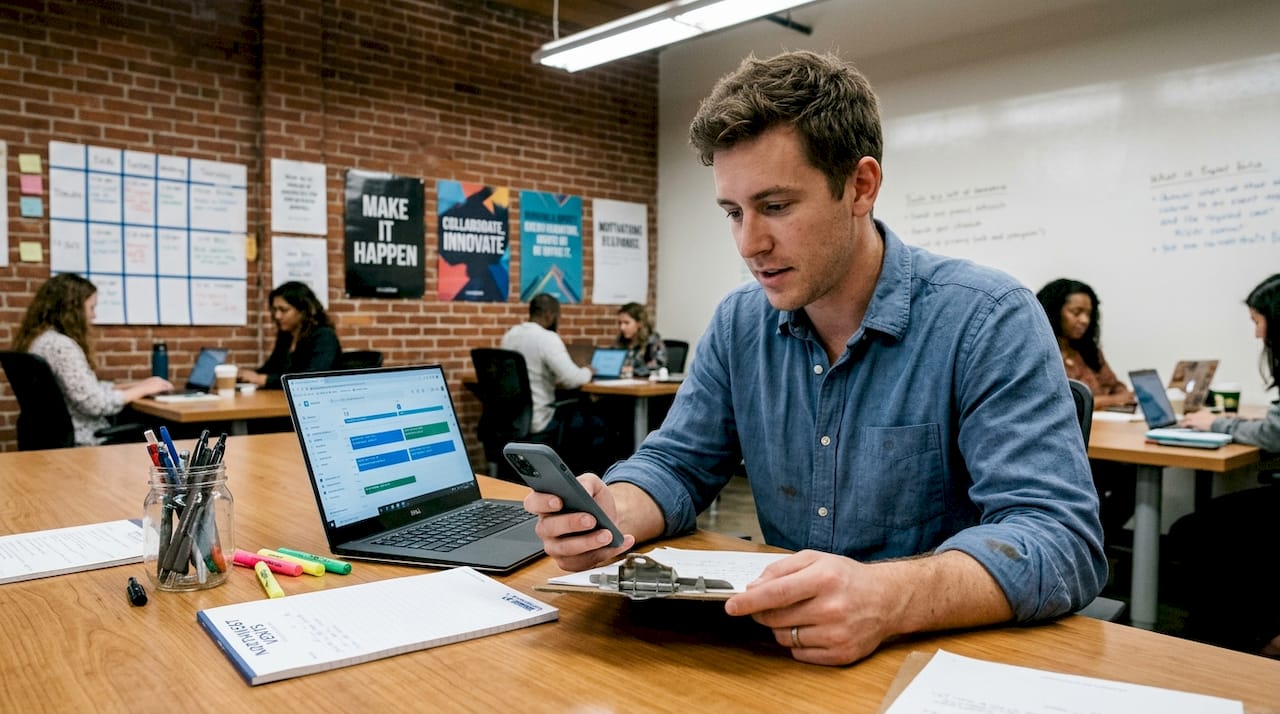
Static photos of an empty room are forgettable. What converts a browsing prospect into an inquiry is seeing your space alive with real events. Video content and event showcases on social media drive higher inquiry rates for private events than static photos. That means reels, walkthroughs, highlight clips, and real testimonials from happy clients.
Content types that generate the most inquiries:
- 🎥 Video walkthroughs of your event space in different setups
- 🥂 Event highlight reels showing real guests, real energy, and real food
- ⭐ Client testimonials in short video or text format
- 🎄 Seasonal décor showcases showing holiday, spring, and summer setups
- 📖 Behind-the-scenes content of event prep and setup
| Content type | Avg. inquiry rate increase |
|---|---|
| Video walkthroughs | 45 to 60% |
| Event highlight reels | 35 to 50% |
| Static photo galleries | 10 to 15% |
| Client testimonials (video) | 25 to 35% |
| Seasonal showcase posts | 20 to 30% |
Post this content consistently across Instagram, Facebook, and your Google Business profile. Think of it as proof of experience. Prospects want to feel confident before they reach out. The more social proof you show, the lower the friction to inquire.
Pro Tip: Publish content creation for restaurants at least three times per week on your top platforms. Consistency builds visibility, and visibility builds inquiry volume over time.
Speed matters just as much as content quality. Once someone fills out your inquiry form, a 48-hour response window is the max before interest cools. The best-performing venues respond within a few hours. Pair your great content with proven social media campaigns and you create a pipeline that runs even when you’re busy running service.
Target the right audiences year-round for consistent bookings
Beyond great content, who you target and how you reach them makes the difference between sporadic and steady bookings.
Most restaurant owners market to everyone and reach no one. The restaurants filling their event space consistently are the ones who segment their outreach. Corporate clients book differently than consumers. They have procurement timelines, budget approvals, and a preference for professional communication. Consumer event planners, like someone organizing a milestone birthday, are driven by emotion, aesthetics, and word-of-mouth.
Year-round marketing beats seasonal when you target corporate clients via LinkedIn and email, and consumers via Instagram and Facebook Events. Segmenting your emails to high-spend and loyalty customers also drives strong event conversions.
For corporate clients, include:
- Your capacity and AV capabilities
- Menu customization and dietary options
- Pricing tiers and minimum spend requirements
- Easy-to-send proposal PDFs
For consumer clients, include:
- Emotional visuals and real event stories
- Flexible package options
- Social proof and reviews
- Simple booking steps with a clear call to action
| Marketing approach | Corporate performance | Consumer performance |
|---|---|---|
| LinkedIn outreach | High | Low |
| Email campaigns | High | Medium |
| Instagram/Facebook | Low | High |
| Seasonal push only | Inconsistent | Inconsistent |
| Year-round outreach | Strong and steady | Strong and steady |
Building restaurant brand awareness year-round keeps your venue top of mind even when event season slows down. Stay current on hospitality marketing trends to refine your targeting as platforms and audience behaviors evolve.
Combine organic, paid, and influencer strategies for fast, lasting growth
Finally, the most effective event marketing combines strategies and tracks what matters. Let’s break down the winning mix.
Organic social media is your foundation. It builds trust and brand recognition over time. But don’t expect overnight results. Organic social builds brand slowly over 30 to 90 days. Combine it with paid retargeting and influencer campaigns for quick wins, and avoid vanity metrics by tracking event inquiries and ROI instead.
Here’s how to structure your mix:
- 📲 Organic social (3 to 5 posts per week): Builds brand momentum and long-term visibility
- 💰 Paid retargeting ads: Re-engage people who visited your events page but didn’t inquire
- 🤝 Influencer collaborations: Invite local food and lifestyle influencers to hosted events for instant reach
- 📊 Track what counts: Event inquiries, booking conversions, and revenue per event, not just likes and shares
“Vanity metrics don’t pay the bills. Inquiries do.”
Influencer events are one of the most underrated tactics for private dining. When you host a well-known local influencer or content creator, their audience sees your space, your food, and your atmosphere. That creates social proof and organic reach you could never buy through ads alone.
Pro Tip: Grab the viral events playbook to structure your influencer events for maximum shares and inquiries. Then pair it with strong Instagram marketing for your restaurant to keep momentum going after the event wraps.
Always know your numbers. An influencer campaign that generates 20 inquiries and 8 bookings at $2,500 average spend is worth far more than a post with 10,000 likes and zero conversions.
Why most event marketing misses the mark and how to fix it
Having covered actionable strategies, here’s a perspective on what actually works and what doesn’t.
The hard truth is that most restaurants treat event marketing like a side project. They run a holiday promotion, get a few bookings, and then go quiet until the next big occasion. That approach leaves serious money on the table.
The restaurants that win consistently have moved from seasonal pushes to structured, year-round outreach. They know their highest-value segments. They respond to inquiries fast. They track the metrics that actually matter.
One of the most overlooked levers in the whole process is inquiry response time. We see this repeatedly: a restaurant invests in great content, runs solid ads, and then loses bookings because someone didn’t follow up until three days later. The prospect already booked somewhere else. Improving how you manage restaurant bookings is often faster and cheaper than generating more leads in the first place.
Pro Tip: Set up a simple automated email response that confirms receipt of every event inquiry within minutes. It buys you goodwill while you prepare a real proposal.
Take your event marketing to the next level
You now have a clear map from setting your event marketing criteria to combining organic, paid, and influencer strategies for real results. The next step is execution.
At ION Hospitality, we specialize in restaurant social media advertising that fills private event calendars without charging commissions. We build and run everything for you, from scroll-stopping content to targeted ad campaigns that drive actual inquiries. Check out our proven social media campaigns to see real results from restaurants like yours. Ready to get started? Book a discovery call and let’s build your event marketing engine together.
Frequently asked questions
What is the most effective event marketing strategy for restaurants?
Showcasing event spaces with video content and responding to inquiries quickly drives the highest booking rates compared to any single tactic.
How quickly should restaurants respond to private event inquiries?
Responding within 48 hours is the benchmark, but the fastest venues respond within hours to maximize their conversion rate.
Should event marketing for restaurants focus on seasonal or year-round strategies?
Year-round marketing consistently outperforms seasonal campaigns because it builds audience familiarity and keeps your venue visible when competitors go quiet.
How can corporate events be targeted for private dining bookings?
Reach corporate clients with LinkedIn outreach and segmented email campaigns that emphasize capacity, menus, and professional event packages for higher-value bookings.
What role do paid ads and influencers play in event marketing?
Paid retargeting and influencers generate fast inquiry spikes, while organic social builds the steady brand presence that makes those campaigns more effective over time.

Add a Comment